Getting started camping can be intimidating, beyond the planning and the outing itself, there is quite a bit of gear required. While I am a firm believer in “buy it right or buy it twice” when it comes to camping gear, it’s also important that your gear is not so expensive that it stops you from even getting started. There is a lot of high tech gear on the market, which is beautiful, well marketed, and generally quite functional. If you plan to camp in intense weather, natural conditions, or for long periods of time, it can be useful to invest in higher quality gear with specific features. However, for a standard drive-in campsite summer trip, it is unnecessary to get new, high tech gear.
Four main areas of focus as you gear up are shelter, sleeping, cooking, and safety. Much of this gear you could borrow, find second hand, or buy a low cost option.
If you just have one camping trip planned, and no one to borrow gear from, you can rent items like tents, stoves, and sleeping bags. There are many local outdoor shops that rent gear like LOCAPAQ in Montreal.
Tent
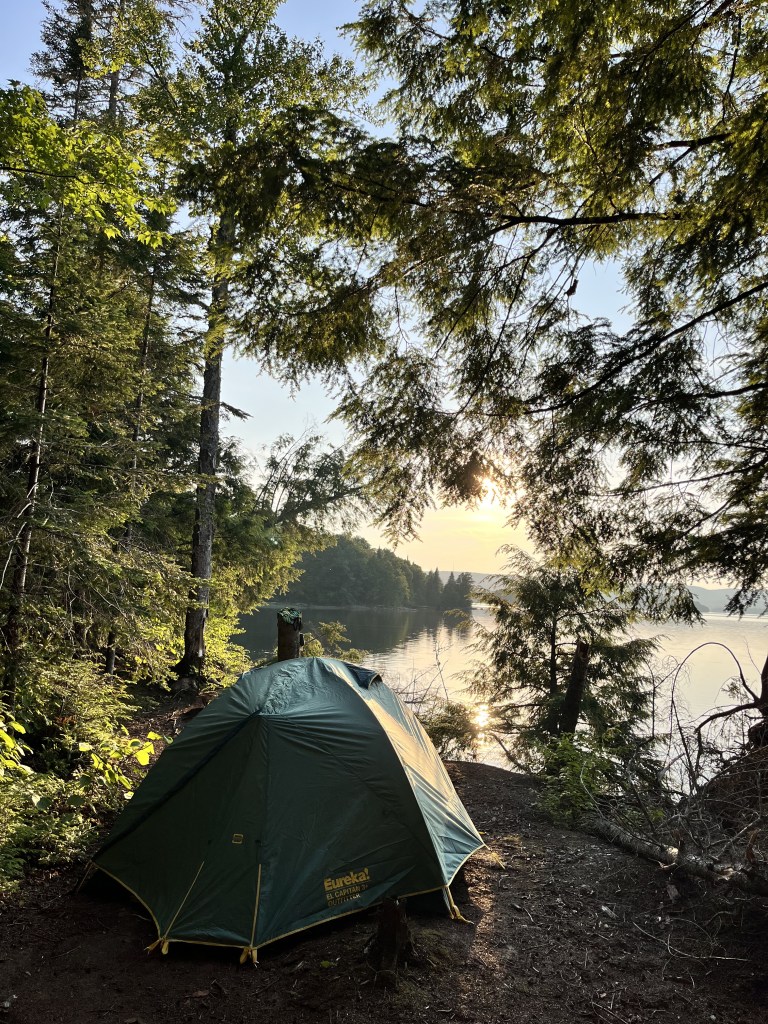
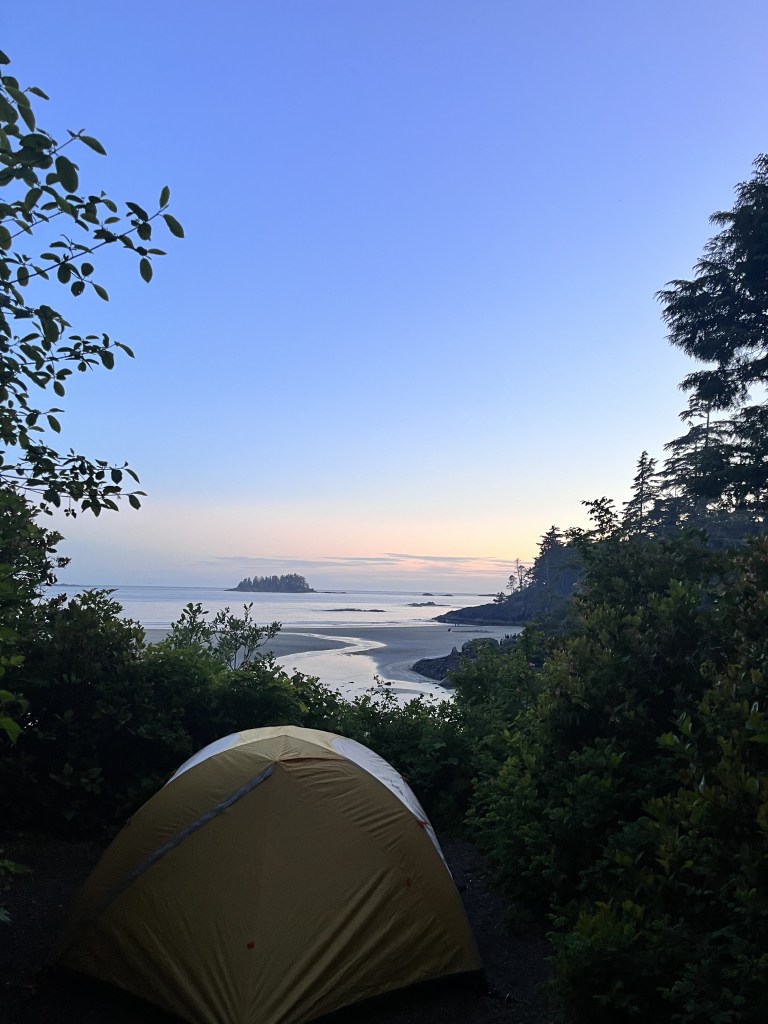
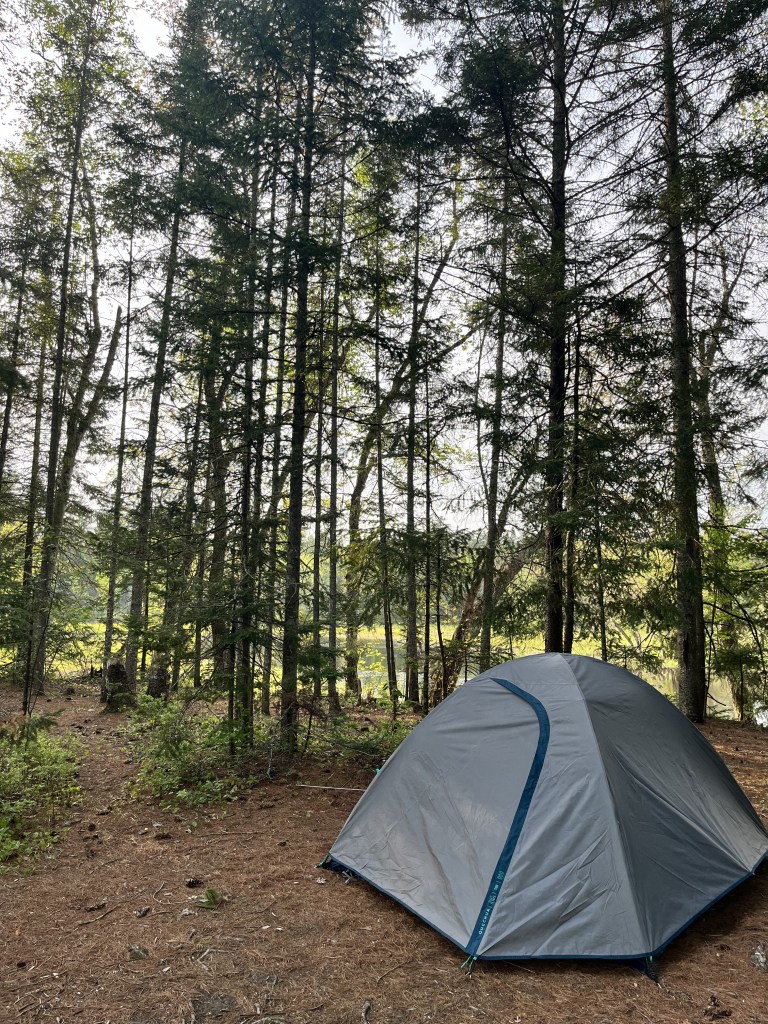
A tent is a great starting point for your camping kit! Two main things to consider before you start shopping are capacity and the use of your tent. A tent size is just the number of people it fits. This size is a good guide as you are getting your tent as it is the limit of how many people you can fit comfortably. If you want extra space for gear in your tent, choose a tent one size bigger than the number of people you usually are camping with. I have a three person tent because I generally camp as 2-3 people, but have even fit 4 people in my tent (but it was a bit of a squeeze).
Many campsites in Quebec have tent size limits, so while a big tent is fun and spacious, it cannot go to every park. Generally, if there is a limit, the maximum size tent allowed is a 3-4 person tent.
If you are just getting started camping, you are likely camping in drive-in sites and in the spring, summer, and fall. For these type trips, you do not need a high tech tent! You only may want to consider upgrading from a standard tent if you are backpacking or camping in harsh weather conditions.
There are three general places you can shop from: second hand stores or online resale sites/Facebook Marketplace, outdoors shops, or discount shops. Each of these options align with different budgets and needs. To get the best quality tent for an affordable price, I would suggest shopping second hand. While this option may take a bit longer than shopping for a new tent, it will allow you to get a high quality tent for less than its retail price. Check your area for used gear shops or check out Facebook Marketplace. Some great brands to look out for are Nemo, MSR, Marmot, Sea to Summit, North Face, and Big Agnes.
If you have a higher budget and more urgent shopping needs, check out your local outdoor shop for a tent! These tents tend to cost between $250-800, but you can get better deals during seasonal sales, buying last year’s products, or by using a new customer discount. If you are in Quebec, I would suggest checking out SAIL, Altitude Sports, La Cordée, or MEC.
For a low cost tent, another option is a discount outdoor store like Decathlon or Canadian Tire. These stores will have tents for below $100 which are great for occasional campers, however, tend to not be as durable as other tents on the market. My first tent was from Decathlon. Once I started camping more often and for longer trips, it did not hold up well. In hindsight, I wish I had taken the time to get a second-hand tent that was a bit higher quality and a similar price to start, because I ended up buying one anyway.
Sleeping system: sleeping mat, sleeping bag, and pillow
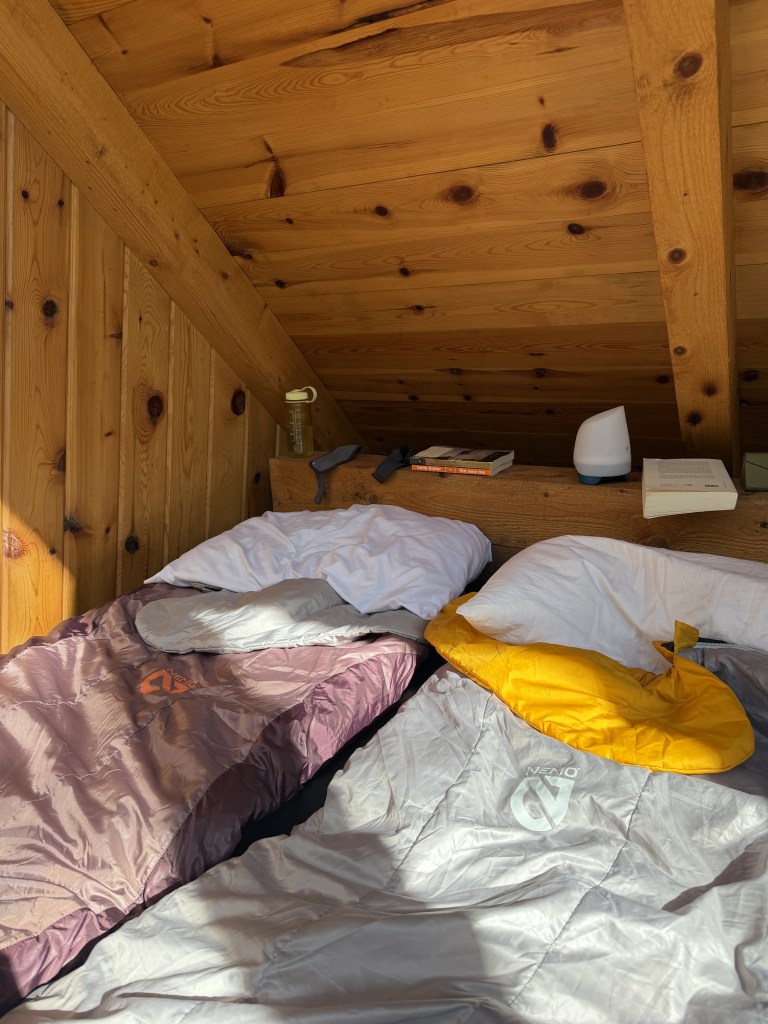
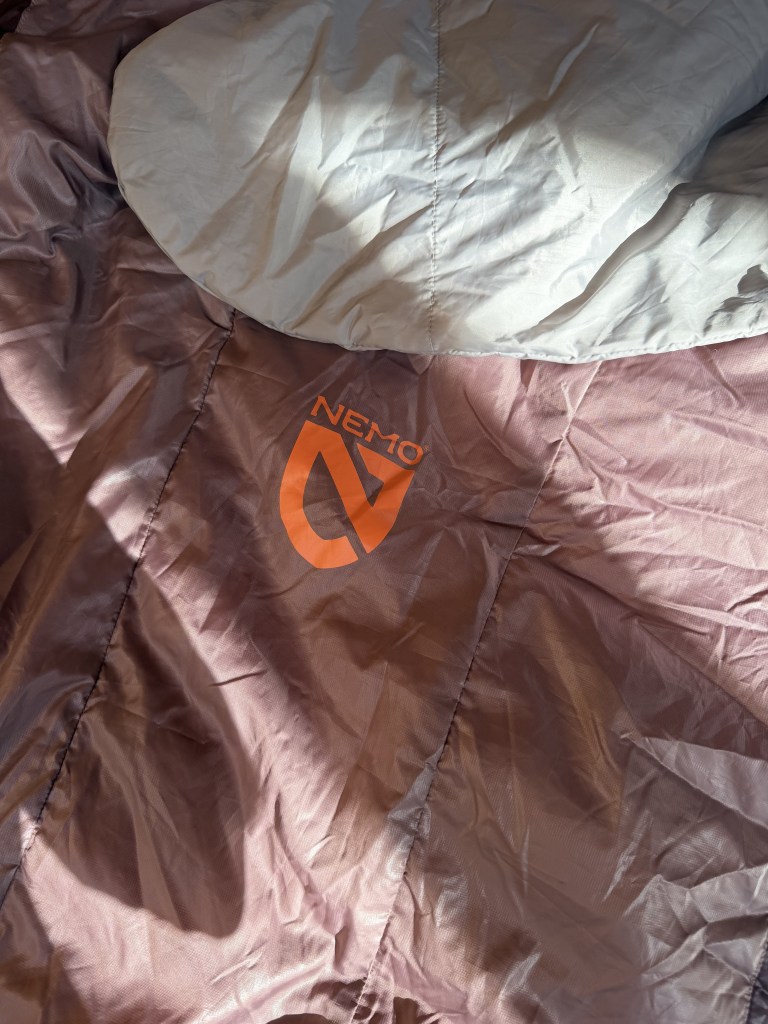
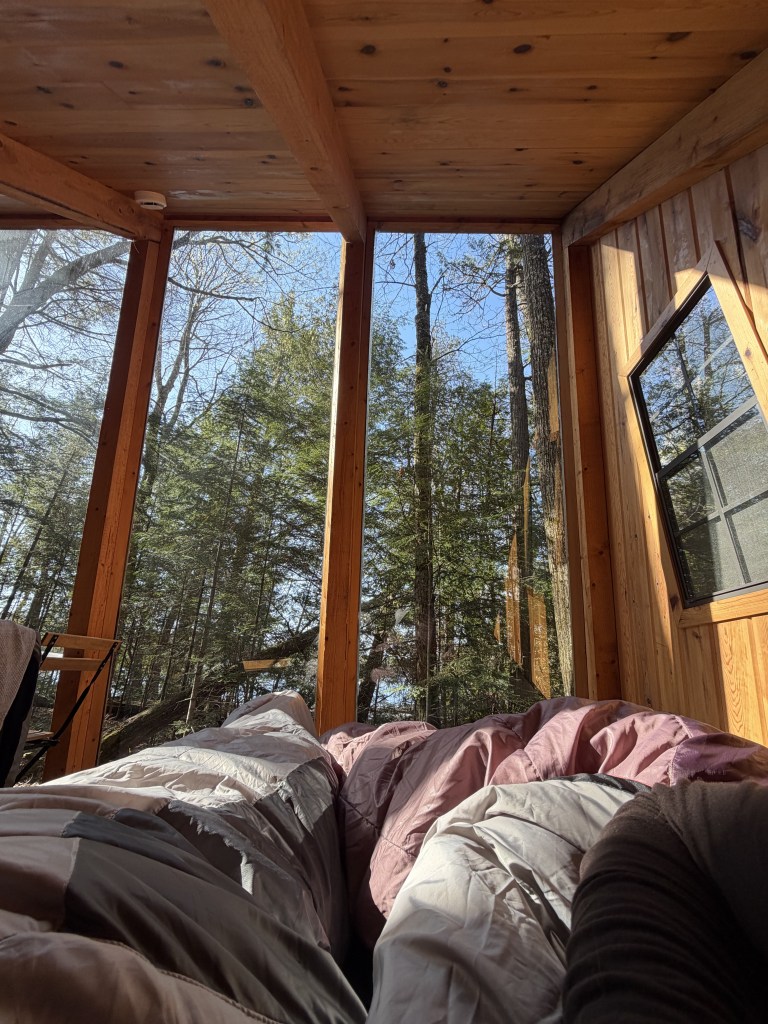
Your sleeping system is three pieces: you will need a sleeping mat, a sleeping bag or quilt, and a pillow. Unless you are backpacking or sleeping in extreme conditions, you do not need a fancy sleeping bag or mat.
You can use a yoga mat for summer camping. While you may still feel the ground beneath you, it will provide a bit of warmth and comfort. You can always use two thin yoga mats or get a more cushioned mat. If you are looking for a slight upgrade, you can get an accordion style sleeping mat. This is what I use and I find it really comfortable and easy to pack, even for backpacking. It provides a lot more warmth and comfort than a yoga mat, but for a fairly low cost. I have one from Nemo Equipment that I love.
I have always used a sleeping bag, but a quilt is more comfortable for many, especially those who move around in their sleep. For camping in the summer, I would recommend a 5-10*C bag. You can get started with a second hand sleeping bag that you get professionally cleaned or buying a low tech sleeping bag from an outdoor retailer like Decathlon. If you are camping in cold conditions, especially at high altitude or in early/late summer, you may need a warmer bag. I have a 2*C sleeping bag I use for these trips. I use the Tempo sleeping bag from Nemo. To increase the heat of your bag for any colder adventures, you can always get an insulated sleeping bag liner. I use the Reactor sleeping bag liner from Sea to Summit. You can also sleep in just your liner with no sleeping bag during particularly hot summer trips.
If you are camping near your car, I highly recommend bringing a real pillow. This will be your most comfortable option! You can also bring an inflatable camping pillow or stuff a t-shirt with clothes to make your own pillow if you are packing light or backpacking, but it is definitely less comfortable.
Cooking system: camping stove, pots and pans, food prep supplies, and utensils and serving wear
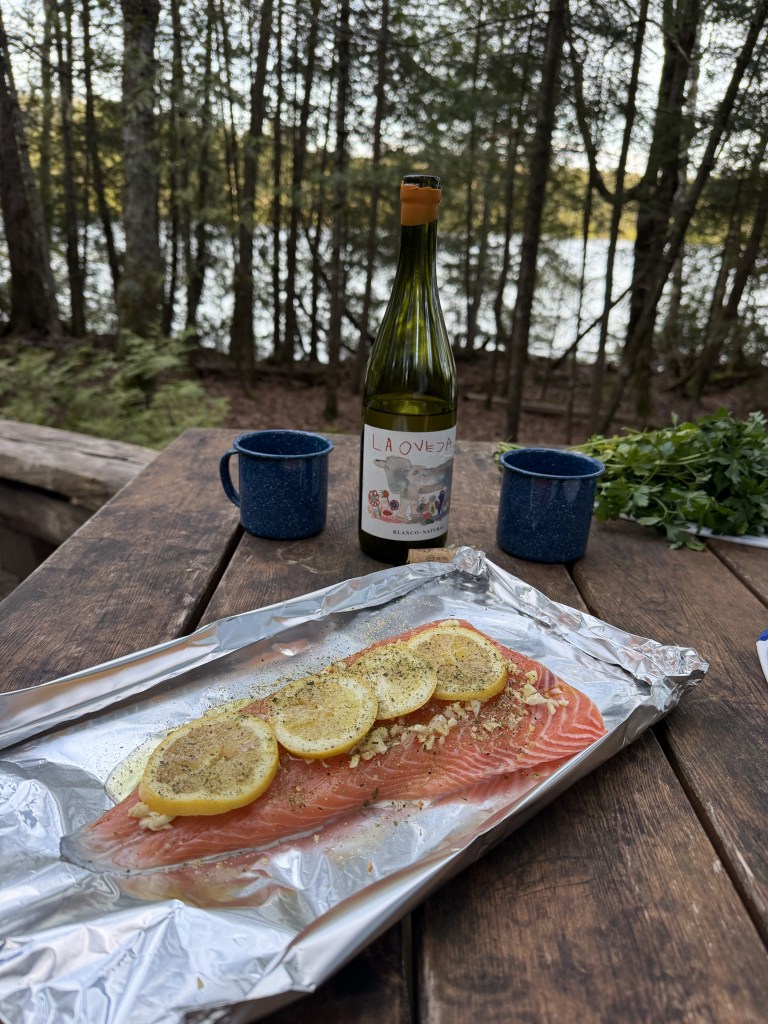
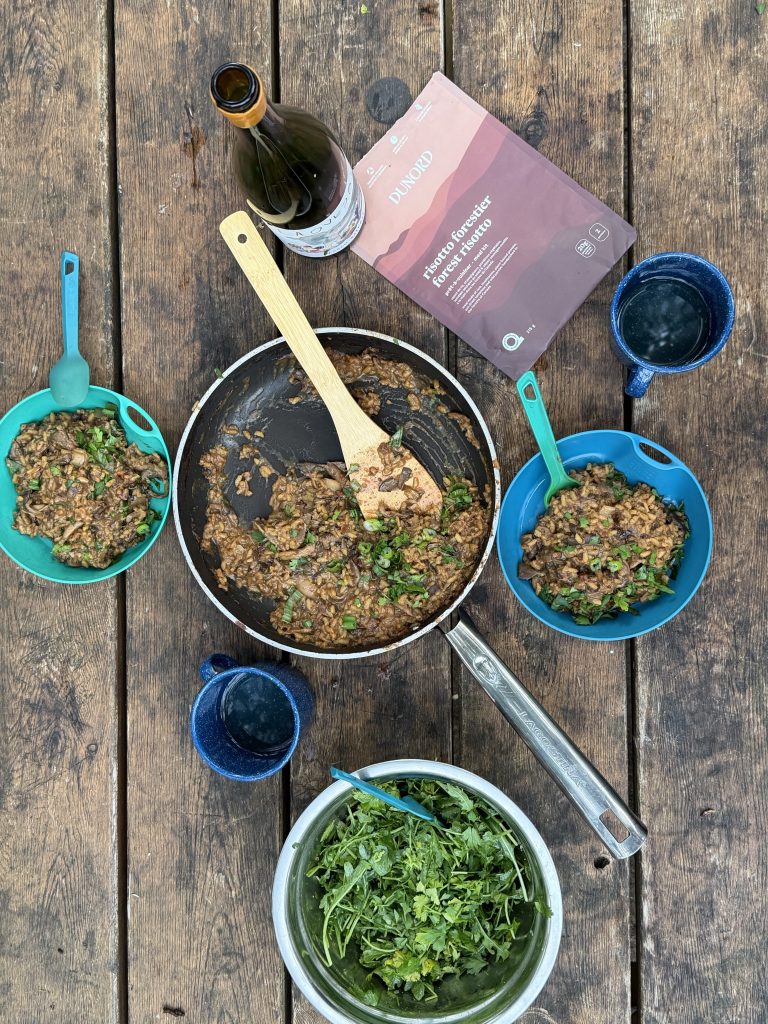
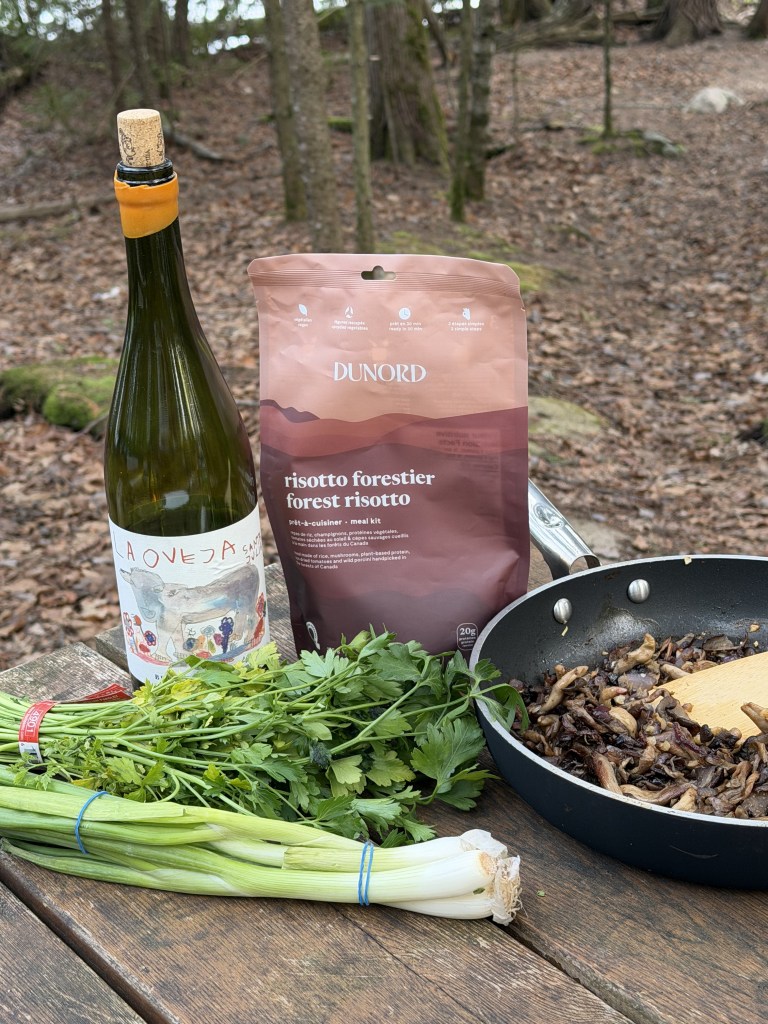
You would be surprised how much of the cooking gear you need you may already have! First you will need to determine how you will be cooking, whether over the fire or if you plan to use a stove. If you plan to camp over your fire, make sure you check the fire regulations in your area, there is a chance fires are banned due to high risk of forest fires. If you are having trouble finding this information, you can call the park where you are camping. Also, be sure to bring fire starters just in case the wood is hard to light or there is not kindling available.
If you would like to cook with a stove, there are many options from cook tops and mini grills to lightweight backpacking stoves. Each as their own benefit. Cooktops and mini grills give you a bit more temperature control than a backpacking stove, which is designed for boiling more than cooking. Check when you buy your stove if there is any recommended source of fuel and what type of fuel attachment you need- not all fuel canisters or types of fuel work with all stoves. When I was shopping for my first stove, I was planning on camping and backpacking, so I got a backpacking mini stove. While this is not necessary while camping at a drive-in site, it did not make sense for me to buy two stoves. I use the MSR PocketRocket which is great for boiling water for pasta, soup, oatmeal, or dry camp meals, but a bit intense for standard cooking.
For cooking, I use stainless steele and cast iron supplies. Most of my cooking supplies are not camping specific, which you really only need for backpacking or more remote trips. I have been able to find pots and pans I did not already have at the thrift store. I avoid cooking with anything plastic or non-stick because these can be less heat resistant and risk melting or releasing harmful chemicals.
For cooking, I bring a pot, pan, metal or wooden spoon, metal or wooden spatula, and baking sheet. For food prep, I bring a knife, cutting board, and mixing bowl. I cook a lot directly in the fire, so I always bring aluminum foil. To eat, I bring wide, shallow bowls that act as both plates and bowls, utensils, and a mug. For cleaning up, I always bring camping-friendly (biodegradable) dish soap (even if there is a proper sink available for washing dishes), as well as a kitchen towel and a sponge.
Wellbeing and Safety Supplies: headlamp, first aid kit, and sunscreen
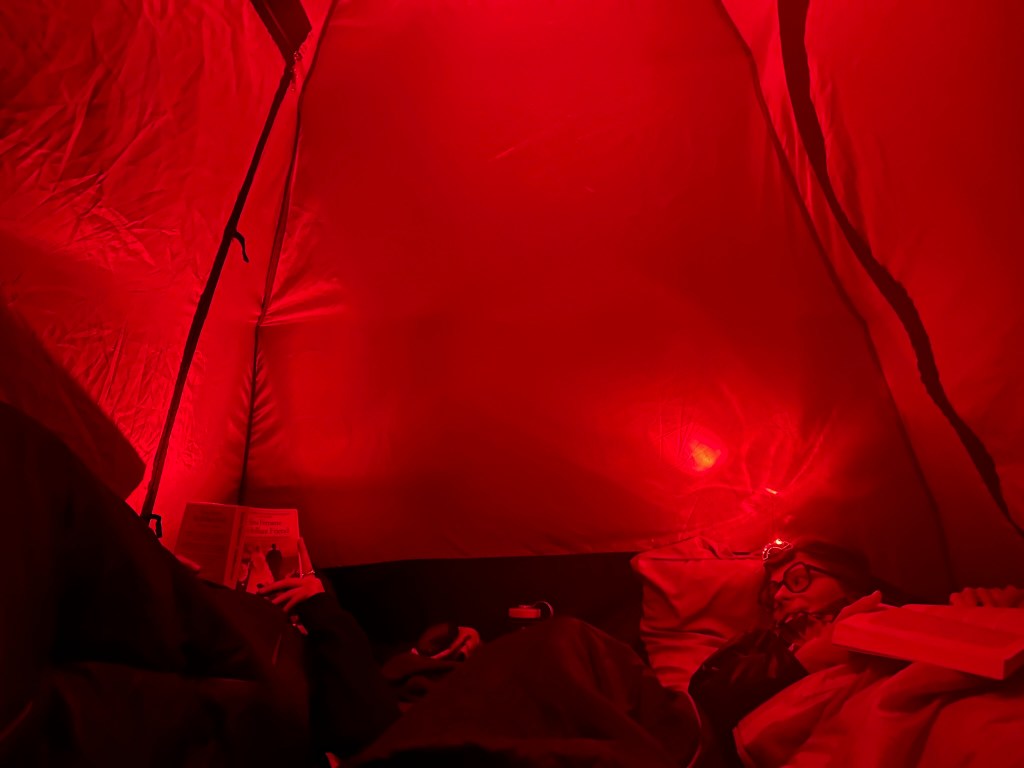
Much of the safety gear you need for your outing will be dependent on the area in which you are camping, the climate, and the animals and plants around you. However, you should always bring a light source, a first aid kit, and sunscreen.
At night, you will need a source of light. While you could use a flash light, I highly recommend a headlamp. They are very helpful when both your hands are needed to do a task. You do not need a powerful headlamp for a standard camping trip, one you find at a discount outdoor store should work well! Make sure it has a long battery life to last you through your trip or you bring a backup way to charge or change the batteries.
I have a plug-in headlamp that I can charge in my car or with a portable charger which I find handy because I never have batteries around. Beyond your headlamp, it can also be nice to have a camping lamp at night. These tend to be low cost at outdoor stores and can
You will also need a simple first aid kit on you while you camp, even if you are not in a remote area. This first aid kit should also come with you on all hikes and activities. This kit includes bandaids, allergy medicine, pain/anti-inflammatory medication, foil blanket, and antiseptic wipes. If you have any common injuries, bring any wrap, etc that you could need just in case. If you have any medical conditions, you should bring all medications or devices you may need. Beyond personal needs, check the surroundings of your campsite for information on what additional supplies you may need. If you do not have consistent access to clean drinking water, you can consider including aquatabs or a water treatment filter. During the summer, I also add bugspray and afterbite ointment if there are lots of mosquitos or black flies.
Regardless of the weather or season, I always bring sunscreen. Long sun-exposure can damage your skin and cause sun poisoning in extreme cases. To avoid pain and possible sickness, I always bring sunscreen and try to reapply frequently. I bring a mini bottle of face sunscreen and a stick of sunscreen from Attitude for my body. I find stick sunscreen is easy to apply, packs lightly because it is more concentrated, and won’t open and spill all over my bag. You can also bring UV protective clothes and a hat!


Leave a Reply